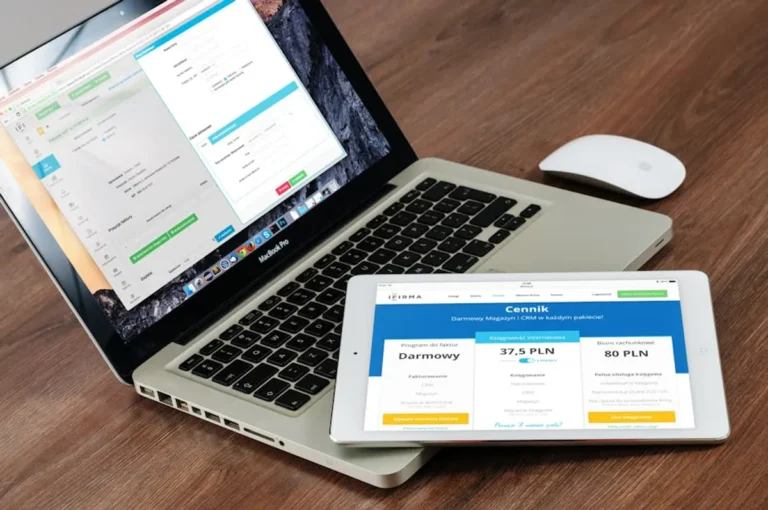

Optimizing landing pages for organic traffic moves beyond basic keyword placement; it involves a strategic alignment of user intent, technical precision, and persuasive design to convert visitors into customers. Unlike paid channels, organic traffic demands a long-term, holistic approach where every element, from content structure to page speed, contributes to both search engine visibility and user engagement. This guide details the specific optimizations necessary to attract high-value organic searchers and maximize your landing page's commercial impact. Beyond content and design, ensuring strong technical website performance is also key for attracting and retaining organic visitors.
Understanding Organic Landing Page Intent
Effective organic landing page optimization begins with a deep understanding of user intent. Search engines prioritize content that directly answers a user's query, and your landing page must be engineered to satisfy that need precisely.
Informational vs. Transactional Queries
Distinguishing between informational and transactional intent is fundamental. An informational query, such as "what is content marketing," seeks knowledge; a landing page targeting this should offer comprehensive, authoritative explanations. Conversely, a transactional query like "buy content marketing software" indicates a readiness to purchase; the corresponding landing page must present product benefits, pricing, and clear calls-to-action. Misaligning intent — for instance, offering a product page for an informational query — results in high bounce rates and diminished organic performance.
Navigational Intent Considerations
Navigational queries, where users search for a specific brand or website, often lead directly to homepages or specific product pages. While less common for general landing page optimization, understanding if your brand name is part of the query can inform internal linking strategies and ensure brand-specific landing pages are easily discoverable for those ready to engage directly with your offerings.
Core On-Page Optimization Elements
The visible components of your landing page are critical for both search engine comprehension and user experience. Each element must be crafted with organic visibility and conversion in mind.
Strategic Keyword Integration
Keywords remain the bedrock of organic visibility, but their integration must be natural and contextually relevant. Your primary target keyword should appear in the page's title tag, H1 heading, and within the first 100 words of body copy. However, avoid keyword stuffing; instead, use semantic keywords and related phrases throughout the content. This signals to search engines a deeper understanding of the topic and captures a wider range of related queries. The meta description, while not a direct ranking factor, influences click-through rates from search results, making it essential to include a compelling, keyword-rich summary.
Content Quality and Depth
High-quality content is not merely well-written; it is comprehensive, authoritative, and unique. For organic landing pages, this means addressing every facet of the user's potential query. If the page is informational, provide detailed explanations, examples, and data. If it's transactional, clearly articulate product features, benefits, and differentiators. Incorporate various media types like images, videos, and infographics to enhance engagement and break up text. Content should be structured logically with clear headings (H2, H3) and bullet points to improve readability and scannability, catering to users who skim for information.
User Experience (UX) and Engagement Signals
Search engines increasingly reward pages that offer superior user experience, as indicated by metrics like dwell time, bounce rate, and page speed. Optimize images for fast loading, minimize server response times, and ensure your landing page is fully responsive across all devices. A clear, intuitive layout guides users towards conversion, whether that’s filling out a form, making a purchase, or downloading a resource. Prominently placed and compelling calls-to-action (CTAs) are essential for converting organic visitors who have arrived with specific intent. To further enhance user experience, remember to optimize images for fast loading, which directly impacts page speed and engagement.
Pro Tip: Implement internal links from high-authority, relevant pages on your site to your target landing page. This not only passes link equity but also helps search engines understand the page's importance and relevance within your site's architecture, boosting its organic visibility for specific queries.
Technical SEO for Landing Page Visibility
Beyond on-page content, the technical foundation of your landing page dictates how effectively search engines can crawl, index, and rank it.
Crawlability and Indexability
Ensure your landing page is accessible to search engine crawlers. Check your robots.txt file to confirm no directives are blocking the page. Use an XML sitemap to explicitly list all pages you want indexed, including new or updated landing pages. For pages with similar content, implement canonical tags to specify the preferred version, preventing duplicate content issues that can dilute organic performance.
Structured Data Markup
Implementing structured data (Schema.org markup) helps search engines understand the context of your content, potentially leading to rich results in search. For landing pages, relevant schema types might include:
- Product Schema: For e-commerce landing pages, detailing price, availability, and reviews.
- Service Schema: For service-oriented landing pages, describing the service offered.
- FAQPage Schema: If your landing page includes a frequently asked questions section.
- Review Snippet Schema: To display aggregate ratings or individual reviews.
This enhanced visibility can significantly increase organic click-through rates.
Internal Linking Architecture
A robust internal linking strategy is crucial for distributing authority and relevance across your site. Link strategically from high-authority, topically relevant pages on your site to your landing page. Use descriptive anchor text that includes your target keywords. This not only helps search engines discover and understand your landing page but also guides users to related content, improving overall site engagement.
Conversion-Focused Optimization for Organic Traffic
Attracting organic traffic is only half the battle; converting it is the ultimate goal. Organic users often have specific needs, and your landing page must be optimized to meet them directly.
A/B Testing Key Elements
Continuous A/B testing is essential for refining your landing page's conversion performance. Test variations of headlines, calls-to-action, form layouts, image choices, and even entire content sections. Small changes, backed by data, can lead to significant improvements in conversion rates. Focus on one variable at a time to accurately attribute performance changes.
Personalization and Dynamic Content
For advanced optimization, consider personalizing landing page content based on user segments or the specific query that led them to your page. Dynamic content, which changes based on user data or behavior, can significantly enhance relevance and engagement, leading to higher conversion rates. For example, a user searching for "CRM software for small business" could see a landing page with testimonials and features specifically tailored to small business needs.
Sustaining Organic Landing Page Performance
Optimizing landing pages for organic traffic is an ongoing process, not a one-time task. Regularly monitor keyword rankings, organic traffic volume, and conversion rates. Analyze user behavior metrics like bounce rate, pages per session, and time on page to identify areas for improvement. The digital landscape, search algorithms, and user expectations are constantly evolving, requiring continuous adaptation and refinement of your landing page strategy. By integrating technical SEO best practices with compelling, user-centric content and a focus on conversion, your landing pages will consistently attract and convert high-value organic visitors.
Frequently Asked Questions
What is the primary difference between optimizing a landing page for organic versus paid traffic?
Optimizing for organic traffic prioritizes long-term search engine visibility through content authority, technical SEO, and user experience signals, aiming for sustained, free traffic. Paid traffic optimization focuses on immediate conversions, often using more aggressive CTAs and targeting specific ad groups, with less emphasis on broad keyword rankings.
How often should landing pages be reviewed and updated for SEO?
Landing pages should be reviewed at least quarterly to assess performance, update statistics, refresh content for relevance, and address any technical issues. Competitive analysis and algorithm updates may necessitate more frequent adjustments.
Can a single landing page rank for multiple primary keywords?
While a single landing page can naturally rank for many related long-tail keywords, attempting to rank for multiple distinct primary keywords often dilutes its focus. It is generally more effective to create separate, highly optimized landing pages for distinct primary keyword targets to maximize relevance and authority for each.