
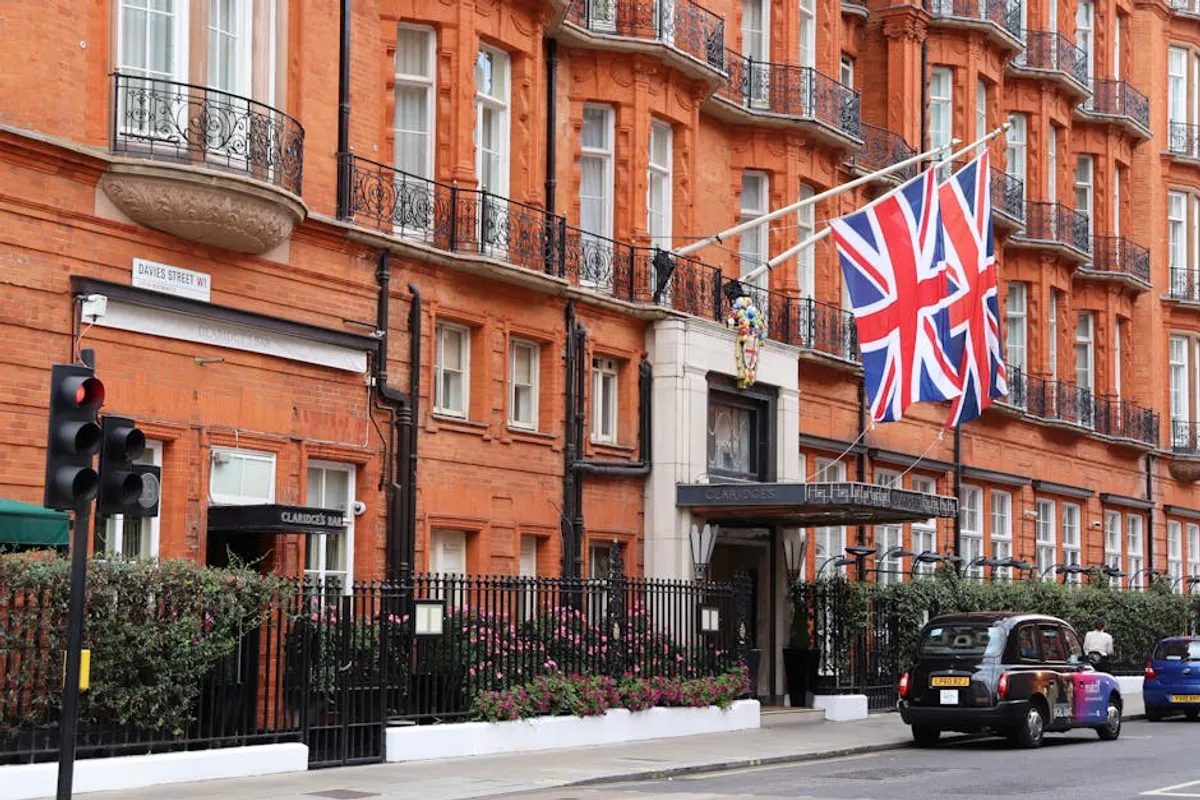
The entity known as Mayfair London Review presents itself as a dedicated source of information and analysis concerning the Mayfair district of London. Analyzing its potential search traffic and content strategy offers insights into how specialized geographic-focused content entities capture and maintain organic visibility. Understanding its likely audience and content approach is crucial for any publisher aiming to dominate niche location-based queries, particularly within high-value, competitive markets like central London. The structure of its content, the depth of its coverage, and its approach to user intent dictate its ability to rank for precise, commercially valuable search terms.
What Mayfair London Review Appears to Cover
Mayfair London Review likely structures its content around distinct categories related to the Mayfair area. This would include detailed profiles of luxury hotels, fine dining establishments, high-end retail outlets, and cultural attractions within the district. Beyond direct reviews, the site would probably publish articles on the historical significance of Mayfair, its architectural styles, and evolving trends within the area's commercial and residential landscape. Content categories could extend to lifestyle pieces, event calendars, and guides on navigating the area. The "Features" aspect of its title suggests an emphasis on unique selling points or distinguishing characteristics of various businesses or experiences in Mayfair, moving beyond simple listings to provide deeper contextual information.
The inclusion of "Safety" in its title indicates a content cluster dedicated to practical advice for visitors and residents. This might involve guides on personal security, local regulations, or tips for navigating the area responsibly. Such content addresses specific user concerns and builds trust, positioning Mayfair London Review as an authoritative source. Similarly, "Alternatives" suggests comparative content, where the site might discuss different options within Mayfair (e.g., comparing hotel types, restaurant cuisines, or shopping experiences) or even contrast Mayfair with other luxury districts in London or globally, catering to users in the commercial investigation phase of their journey.
Where Its Search Traffic May Come From
Search traffic for Mayfair London Review would originate from a diverse range of queries, primarily long-tail and geographically specific. Users performing searches like "best restaurants Mayfair London," "luxury hotels in Mayfair with spa," or "shopping guide Mayfair Bond Street" would likely land on relevant articles. Informational queries such as "history of Mayfair London" or "what to do in Mayfair at night" would also drive traffic. Navigational searches for specific establishments mentioned within its content, like "The Ritz London review" or "Scott's Mayfair menu," would also contribute. The site would also benefit from local search intent, where users are physically in or near Mayfair and searching for nearby services or attractions.
The "Safety" content cluster would attract users looking for reassurance or practical advice, using queries like "is Mayfair safe at night" or "Mayfair travel tips." "Alternatives" content would capture users in the decision-making process, searching for "Mayfair vs Knightsbridge shopping" or "best alternatives to Mayfair hotels." This blend of informational, commercial investigation, and transactional intent queries would form the backbone of its organic visibility, necessitating a robust content strategy that addresses each stage of the user journey.
Search Intent Behind the Subject
The content published by Mayfair London Review caters to several distinct search intents. Informational intent is served by articles detailing the history, culture, and general overview of Mayfair, as well as guides on safety and local etiquette. Commercial investigation intent is evident in content that compares establishments, outlines features of different venues, and provides "alternatives" or comparative analyses. This type of content helps users make informed decisions before visiting or engaging with services in Mayfair. While less direct, transactional intent could be indirectly served by reviews that lead users to book hotels, make restaurant reservations, or plan shopping trips, even if the site itself doesn't offer direct booking functionalities.
Navigational intent is also a factor, particularly for users searching for specific businesses or landmarks within Mayfair that Mayfair London Review has covered in depth. By providing comprehensive reviews and detailed information, the site aims to become a trusted authority, capturing users who are past the initial research phase and are looking for validation or specific details about their chosen options.
Why Traffic May Rise or Fall
Organic traffic for Mayfair London Review is subject to several dynamics. A consistent rise would depend on the regular publication of fresh, high-quality content that maintains topical relevance and E-E-A-T signals. Strong internal linking, effective use of structured data for local businesses, and positive user engagement metrics (e.g., low bounce rate, high time on page) would signal authority to search engines. Expansion into new content clusters, such as emerging trends in Mayfair, new business openings, or seasonal events, would also contribute to growth.
Conversely, traffic could fall due to several factors. Stagnant content, a lack of updates to existing reviews, or failure to address new search trends would diminish relevance. Increased competition from other publishers or official tourism sites focusing on Mayfair could dilute its visibility. Negative user experiences, such as slow page load times or poor mobile usability, could also lead to decreased rankings. Furthermore, broad algorithm updates from search engines that re-evaluate content quality or authority signals could significantly impact its organic performance.
How the Site Could Improve Organic Visibility
To enhance its organic visibility, Mayfair London Review could focus on several key areas. Developing comprehensive topic clusters around high-value keywords related to Mayfair's luxury offerings, cultural heritage, and lifestyle would establish deeper authority. This involves creating pillar content pages supported by numerous related sub-articles. Implementing robust schema markup, particularly for local businesses, reviews, and events, would improve its chances of appearing in rich snippets and local packs. Optimizing for local SEO, including accurate Google Business Profile listings and localized content, is critical for capturing nearby searchers.
Another strategy involves expanding its content depth on "alternatives" and "safety" topics, ensuring these guides are exceptionally thorough, current, and backed by expert insights. This would position the site as an indispensable resource for anyone considering a visit or stay in Mayfair. Building a strong internal linking structure that connects related content pieces would also improve crawlability and distribute page authority more effectively across the site, reinforcing its topical relevance for Mayfair-related queries.
What to Check Before Trusting Traffic Estimates
When evaluating traffic estimates for Mayfair London Review or any niche content entity, several factors warrant scrutiny. The accuracy of any third-party traffic projection depends heavily on the keyword database and methodology employed by the estimation tool. These tools often rely on broad keyword sets and may not fully capture the nuances of hyper-local or long-tail search intent specific to a district like Mayfair. Seasonal fluctuations in tourism and local events can also skew monthly averages, making it crucial to analyze data over extended periods and consider seasonality. Furthermore, the impact of Google's local pack and rich results can significantly influence click-through rates, which standard traffic estimators may not fully account for. Verifying the freshness of the data and understanding the tool's limitations are essential for a realistic assessment.
FAQs About Mayfair London Review's Search Presence
What types of content does Mayfair London Review prioritize for search engines?
Mayfair London Review appears to prioritize detailed reviews of establishments, guides on local attractions, practical information regarding safety, and comparative analyses of services and experiences within the Mayfair district.
How does Mayfair London Review attract users seeking "alternatives" in Mayfair?
The site likely publishes content that compares various options within Mayfair, such as different hotel categories, dining experiences, or shopping areas, catering to users in the commercial investigation phase of their search.
What role does "safety" content play in its search visibility?
Content addressing safety concerns or offering practical advice for visitors to Mayfair helps establish Mayfair London Review as a trustworthy authority, attracting users with informational intent and building overall site credibility.
How important is local SEO for Mayfair London Review's traffic?
Local SEO is critical, as many potential users will be searching for information about Mayfair while physically in or planning a visit to the area. Optimizing for local queries and features is essential for capturing this segment of traffic.